Rural Broadband Variability Shapes Stake Decisions in After-Hours Virtual Card Tournaments
Written by Noah Reed · Aug 8, 2026
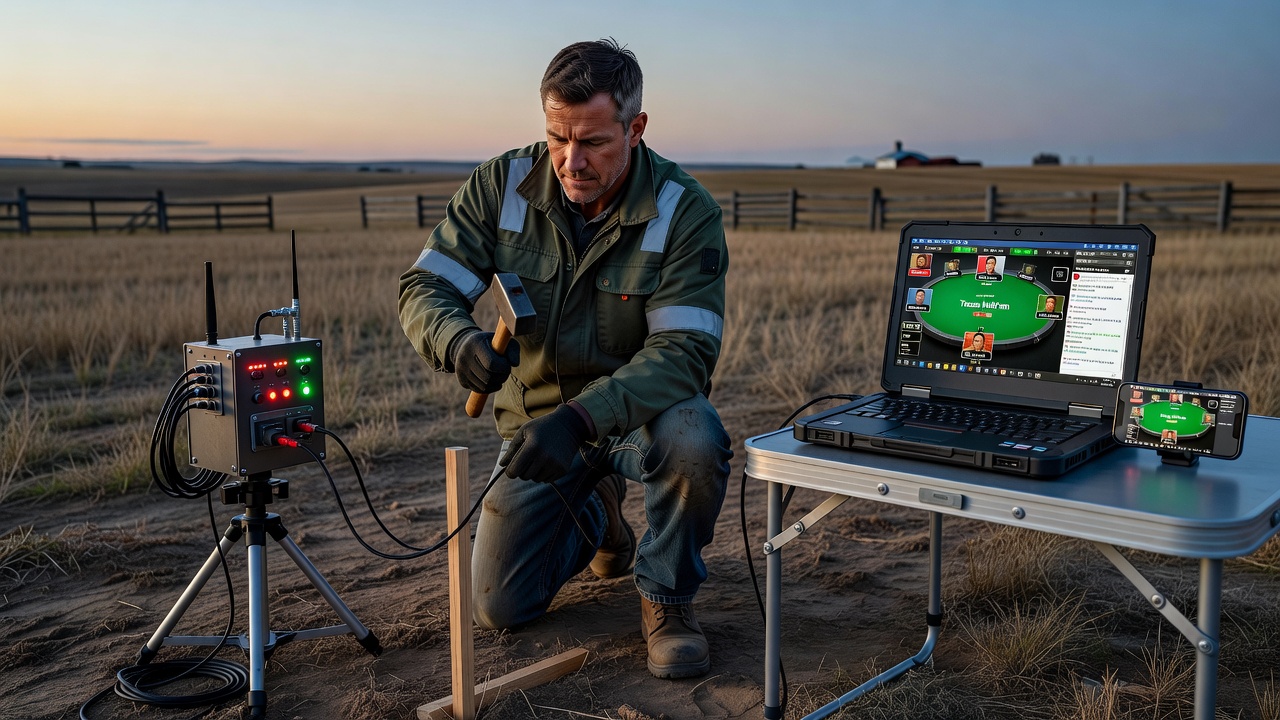
Rural Broadband Variability Shapes Stake Decisions in After-Hours Virtual Card Tournaments
Connectivity patterns across rural regions continue to influence how participants manage wagers during virtual card tournaments held after standard business hours. Data from multiple network monitoring sources show that signal strength often drops between 8 p.m. and midnight in areas served by older infrastructure, prompting players to reduce bet sizes when packet loss exceeds certain thresholds.
Connectivity Patterns in Remote Locations
Studies conducted by the Federal Communications Commission reveal that rural households experience average latency increases of 40 to 70 milliseconds during evening peak periods compared with urban counterparts. These fluctuations arise from shared infrastructure that handles both residential traffic and agricultural data streams, and researchers note the effect becomes more pronounced after 9 p.m. when fewer users share the same towers. Participants in virtual card events therefore monitor connection metrics before committing larger stakes, adjusting downward when jitter readings climb above 30 milliseconds.
Observers tracking player behavior across North American platforms report that remote entrants frequently switch to lower-stake tables or sit out hands during detected slowdowns. One analysis of session logs from August 2026 indicated that stake reductions averaged 35 percent among players located more than 50 miles from major fiber nodes, while those with stable connections maintained original wager levels.
Stake Adjustment Mechanisms During Evening Sessions
Virtual card platforms record real-time connection data alongside betting activity, allowing analysts to correlate latency spikes with wager changes. Evidence shows that players in regions dependent on fixed wireless or satellite links tend to lower their per-hand bets within 15 seconds of a detected increase in round-trip time. This pattern holds across multiple game formats, including simulated poker and blackjack variants that run on browser-based systems.
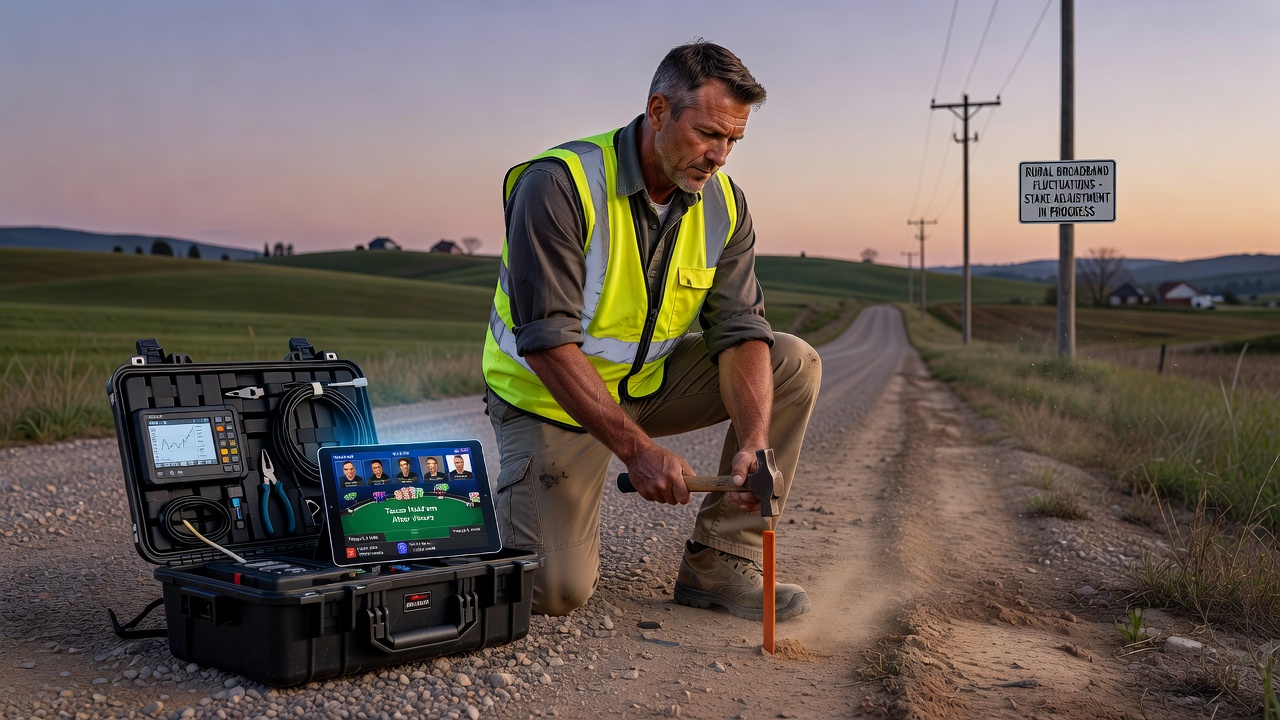
Industry reports from the Canadian Radio-television and Telecommunications Commission document similar trends in prairie provinces where fiber deployment remains incomplete. Figures indicate that after-hours tournament participants there reduced average stakes by 28 percent on nights when bandwidth fell below 25 megabits per second. Tournament organizers have responded by introducing optional connection-stability indicators that display alongside each table, giving players immediate visual cues before they commit chips.
Geographic and Temporal Factors
Regional differences emerge when researchers compare participation rates and wager volumes across time zones. In the Mountain and Central zones, where many rural communities rely on microwave backhaul, evening tournaments show higher rates of stake modulation than those in the Eastern zone. A 2025 academic paper from the University of Alberta examined 12 months of anonymized tournament data and found that players in counties with fewer than 10,000 residents adjusted stakes more frequently during the final two hours of nightly events.
Platform operators have begun offering tiered entry structures that account for variable connectivity. These structures allow remote participants to enter lower-stake brackets without penalty if their connection metrics fall within preset ranges, a development confirmed in operator filings submitted to state gaming regulators in the Midwest during mid-2026.
Platform Features Supporting Remote Players
Developers have integrated adaptive interfaces that scale animation complexity and reduce data packets when network conditions deteriorate. Such features activate automatically once latency crosses 120 milliseconds, according to technical specifications released by several major providers. Participants report that these adjustments maintain game integrity while minimizing the risk of disconnections during critical betting rounds.
Additional safeguards include optional pause functions that freeze action for up to 90 seconds when signal strength drops sharply. Tournament rules updated in 2026 require platforms to log these pauses and exclude affected hands from statistical tracking, ensuring fairness for all entrants regardless of location.
Conclusion
Network performance data continue to demonstrate clear links between rural broadband conditions and the wager decisions made by remote participants in after-hours virtual card tournaments. As infrastructure upgrades progress unevenly across regions, platform features and player strategies evolve in tandem to accommodate these persistent variables. Ongoing monitoring by regulatory bodies and academic researchers provides updated metrics that inform both tournament design and participant preparation.