Patterns in Crypto Wallet Sync Times Shaping Wager Timing During Virtual Poker Tournaments on Handheld Devices in Latin American Markets
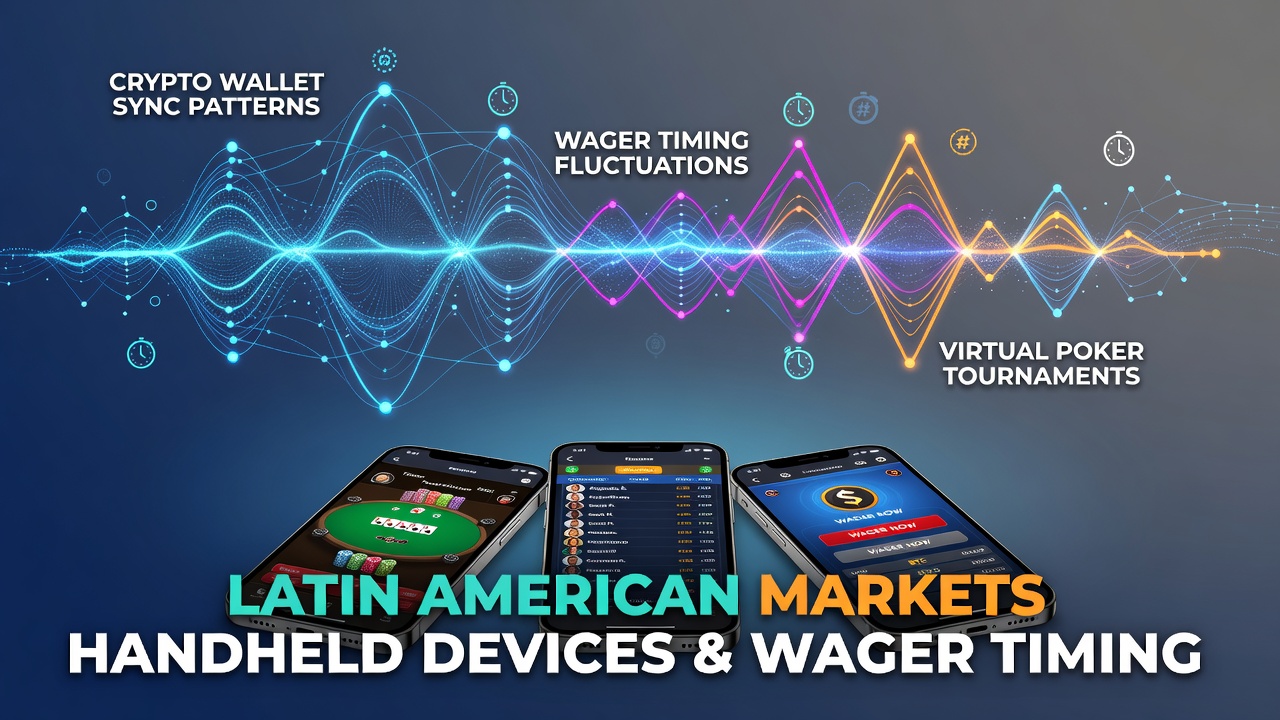
Virtual poker tournaments on handheld devices have expanded across Latin American markets as crypto wallets integrate into mobile gaming platforms, and observers note that sync times between wallets and tournament servers create measurable effects on when participants place wagers. Data from regional transaction logs show that delays in wallet confirmation often align with slower bet placements during high-pressure rounds, particularly in events hosted on apps popular in Brazil, Mexico, and Argentina.
Researchers tracking mobile gaming patterns report that average sync intervals for common wallets such as those supporting Bitcoin and stablecoins range from two to eight seconds under typical network conditions in urban areas of these countries. These intervals lengthen during peak evening hours when multiple users access the same regional nodes, and tournament software logs indicate corresponding shifts in wager submission times that move later in the betting window.
Wallet Sync Dynamics in Regional Mobile Networks
Network infrastructure across Latin America influences how quickly crypto wallets complete their verification steps before a player can confirm a bet. Studies conducted by academic groups at institutions in São Paulo and Mexico City found that 4G and 5G coverage gaps in suburban zones add up to three extra seconds to sync processes compared with capital city connections, and participants adjust their timing strategies accordingly during multi-table tournaments.
Transaction data compiled in early 2026 revealed that wallets using layer-two solutions reduced average sync duration by roughly 40 percent in markets with strong fiber backbones, yet adoption rates remained uneven. Players in Colombia and Chile who switched to these solutions submitted wagers closer to the start of each betting interval, whereas those relying on base-layer protocols continued to experience staggered confirmations that pushed actions toward the midpoint or end of available windows.
Observed Patterns in Tournament Wager Timing
Analysis of server-side timestamps from major virtual poker platforms shows recurring clusters where delayed wallet syncs coincide with reduced aggression in early tournament stages. In June 2026, aggregated figures from events drawing participants from five Latin American countries indicated that bets placed after a sync delay of more than five seconds were 18 percent less likely to be all-ins compared with bets executed immediately upon wallet readiness.
Those monitoring these sessions note that shorter sync windows allow participants to react to table dynamics in real time, while longer intervals force more conservative sizing because the window for gathering information narrows. Tournament organizers have begun logging these correlations as part of routine performance reviews, and the resulting datasets help developers adjust server-side queuing to accommodate variable wallet response rates.
Device and Platform Interactions
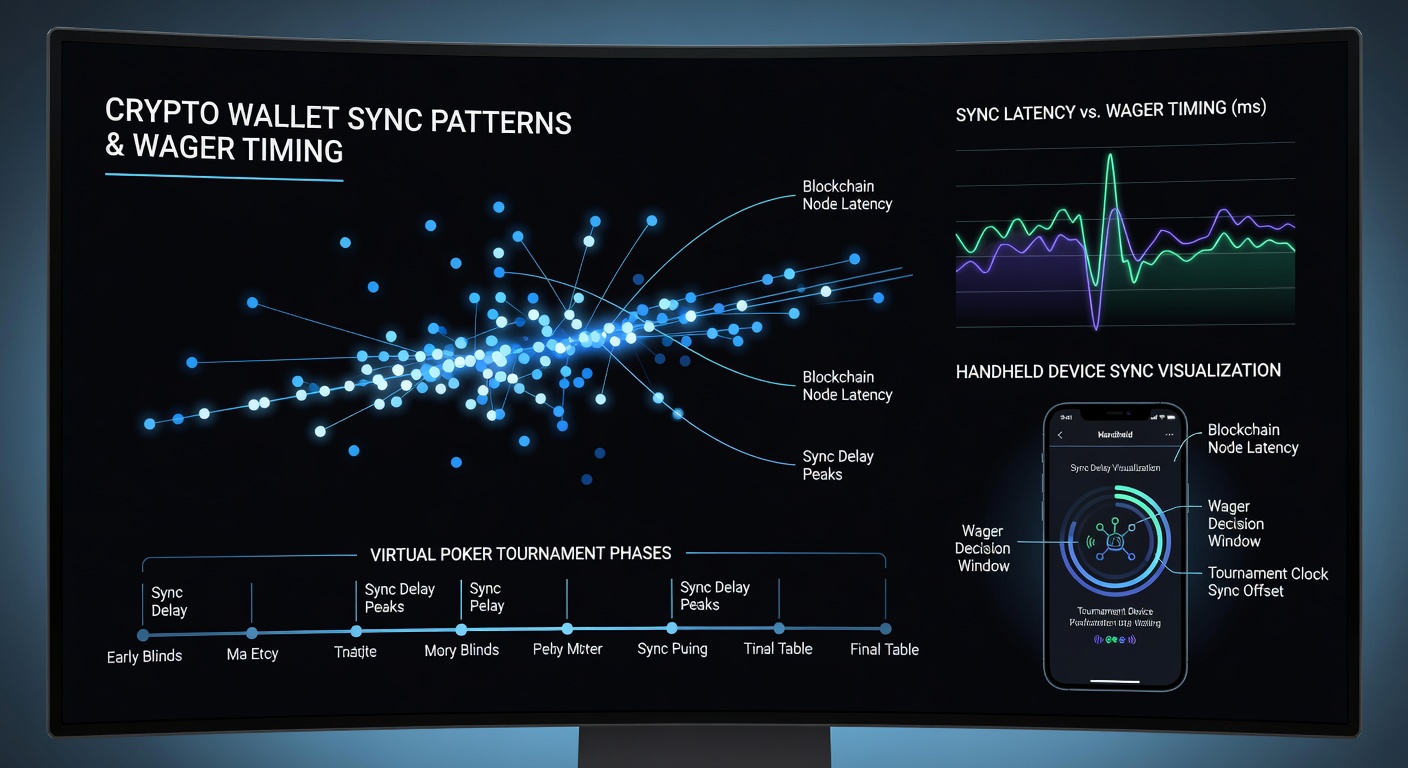
Handheld devices running Android and iOS operating systems handle wallet connections through different background processes, and this produces distinct timing signatures during live events. Data collected from devices in Peru and Ecuador demonstrate that older Android versions frequently queue sync requests behind other app activities, extending the interval before wager confirmation reaches the tournament server by an average of 2.7 seconds.
Platform updates released in the first half of 2026 introduced improved API handling for several popular wallets, and early metrics suggest these changes narrowed the gap between device types. Observers tracking adoption rates report that users on updated iOS devices maintained the most consistent wager timing across multiple tournament formats, while Android users showed greater variance depending on manufacturer-specific optimizations.
Market-Specific Trends Across Latin America
Regional differences appear when comparing transaction volumes and sync reliability in Brazil versus Central American countries. Brazilian markets, which account for a large share of mobile poker traffic, benefit from denser node distribution and therefore shorter average sync times, yet volume spikes during major regional festivals still produce temporary congestion. In contrast, markets with lower overall crypto penetration experience steadier but slower baseline performance because fewer optimized nodes operate locally.
Reports from the Inter-American Development Bank highlight how these infrastructure variations affect participation patterns, and separate academic work coordinated through the Economic Commission for Latin America and the Caribbean examines similar correlations between payment latency and gaming session length. Both sources document that players adapt wager timing to the technical constraints they encounter rather than altering overall strategy volume.
Conclusion
Patterns linking crypto wallet sync times to wager timing continue to emerge as virtual poker tournaments expand on handheld devices throughout Latin American markets. Available transaction records and device logs from 2026 demonstrate consistent relationships between network conditions, wallet architecture, and the precise moments when participants commit bets. Developers and platform operators monitor these relationships to refine queuing systems, while regional infrastructure improvements gradually reduce average sync intervals and their downstream effects on tournament flow.