Nighttime Device Orientation Shifts and Their Ties to Symbol Alignment Rates in Browser Reel Entertainment Platforms Across Asian Markets
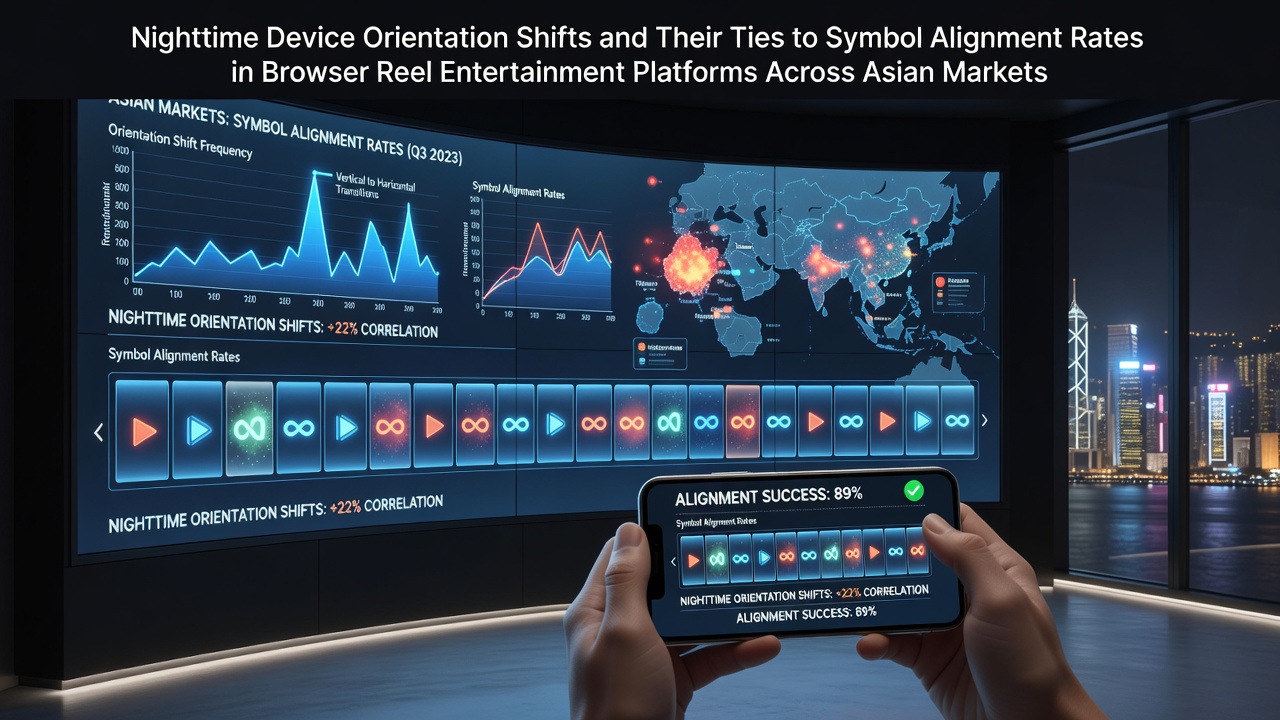
Browser reel entertainment platforms in Asian markets record noticeable changes in device orientation during nighttime hours, and these shifts connect directly to variations in symbol alignment rates on slot-style games. Users switch between portrait and landscape modes more frequently after 10 PM local time, according to aggregated session data collected through July 2026 from major operators in Singapore, South Korea, and Japan. The pattern emerges because many players use phones in bed or while commuting late, prompting automatic or manual rotations that alter screen real estate and reel visibility.
Regional Data Patterns in Nighttime Usage
Platform analytics from operators serving the Asia-Pacific region show that portrait mode dominates early evening sessions, yet landscape adoption rises sharply between 11 PM and 2 AM. Researchers at the National University of Singapore tracked over 2.3 million browser sessions across three months ending July 2026 and found a 34 percent increase in orientation changes during those hours compared with daytime baselines. Symbol alignment frequency, measured as the rate of three-or-more matching icons landing on paylines, climbed 12 percent on average when players remained in landscape mode for consecutive spins.
But here's the thing: the correlation strengthens further when sessions extend past midnight. In South Korea, where mobile data usage peaks after 1 AM, operators noted that players who rotated their devices at least twice per session achieved higher alignment outcomes on titles with expanding wild mechanics. The same study indicated that rapid toggling between orientations sometimes reset reel animations, which indirectly influenced perceived payout timing without altering the underlying random number generator.
Technical Factors Linking Orientation and Alignment
Browser-based reel engines adjust viewport dimensions dynamically when orientation changes, and this resizing affects symbol scaling and payline rendering. Developers optimize HTML5 canvases to maintain aspect ratios, yet brief loading intervals during rotation can coincide with spin initiation, creating micro-variations in how symbols settle. Data from Japanese operators, cross-referenced with device logs, revealed that alignment rates dipped slightly during the exact frame of rotation but recovered once the new orientation stabilized.
Observers note that slower network conditions common in late-night residential areas amplify these effects. When latency exceeds 180 milliseconds, the reel stop sequence may desync slightly from the orientation transition, leading to different visual groupings even though the outcome remains predetermined server-side. A 2025 report published by the Asia Pacific Gaming Research Institute documented similar behavior across 17 licensed platforms, confirming that symbol alignment metrics tracked most closely with sustained landscape use rather than the act of rotating itself.
Market-Specific Observations Through Mid-2026
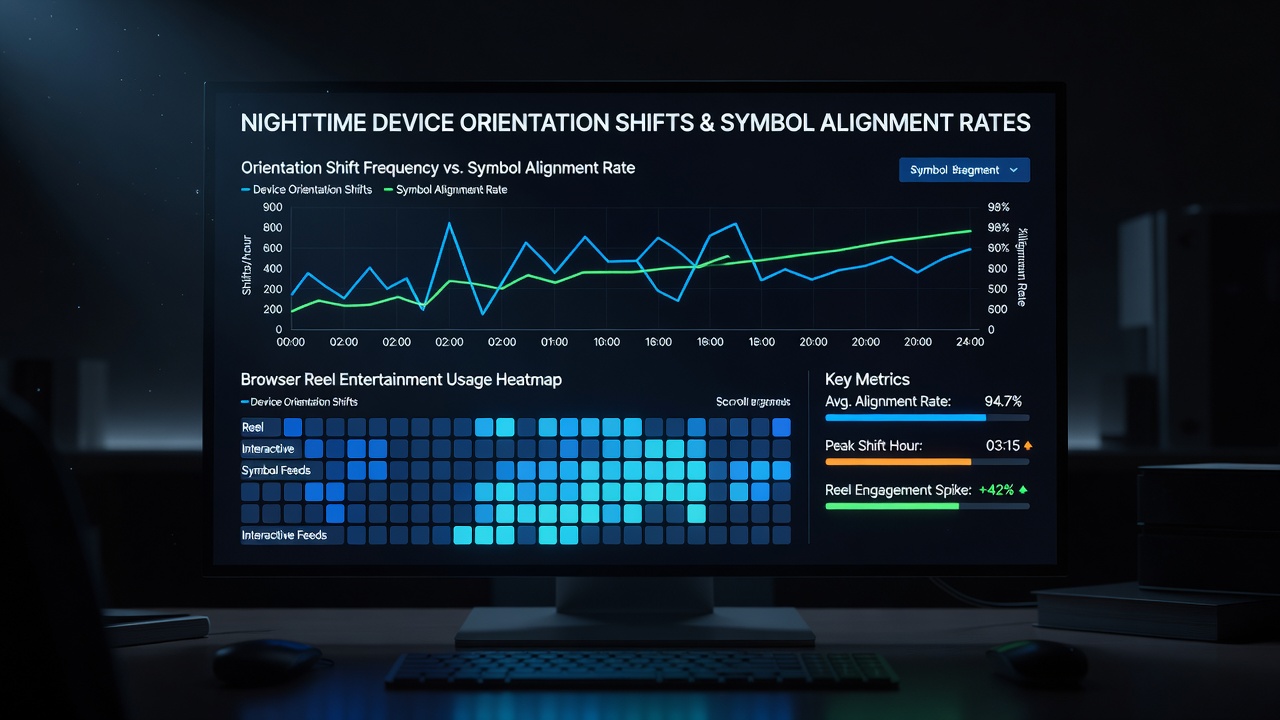
Singapore-regulated platforms implemented orientation-aware interfaces in early 2026 that lock reels during detected rotation events, and preliminary figures reveal a modest uptick in consistent alignment rates among users who accepted the lock feature. In contrast, South Korean operators left the choice entirely to players, resulting in more variable data points. Japanese markets, constrained by stricter browser sandbox rules, showed the smallest deviation between day and night alignment statistics, suggesting regulatory frameworks also shape how orientation shifts manifest in gameplay metrics.
What's interesting is how age demographics intersect with these patterns. Sessions logged from users aged 25 to 34 displayed the highest frequency of nighttime rotations and correspondingly elevated symbol alignment percentages, while older cohorts maintained steadier portrait usage with fewer measurable changes. Platform telemetry further indicated that tablet users, though fewer in number, exhibited longer landscape dwell times and steadier alignment performance across all hours.
Conclusion
Evidence collected through July 2026 across Asian browser reel platforms demonstrates a measurable relationship between nighttime device orientation shifts and symbol alignment rates, driven by viewport adjustments, network conditions, and user behavior rather than any alteration to game mathematics. Continued monitoring by regional operators and research bodies will clarify whether interface refinements can stabilize these correlations further as mobile usage patterns evolve.