Latency Thresholds Shape Wager Adjustments in Desktop Simulated Wheel Spin Activities
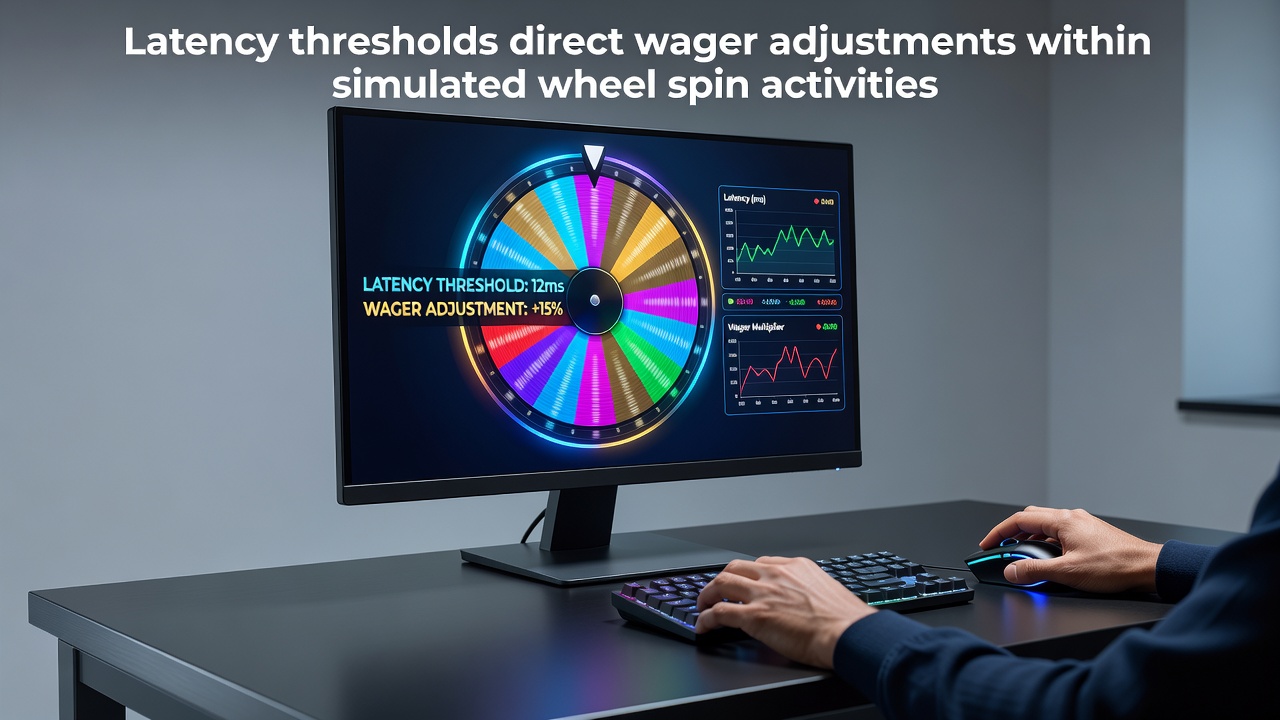 Network conditions often determine how simulated wheel spin platforms process bets on desktop systems, and latency thresholds play a direct role in those mechanics. Data from industry monitoring tools shows that delays exceeding 150 milliseconds frequently trigger automated wager recalibrations, while shorter interruptions allow standard bet placement to continue without modification. Observers note that desktop configurations, with their stable connections and larger processing capacities, still encounter these shifts when packet loss or routing inefficiencies arise during peak usage periods.
Understanding Latency Thresholds in Wheel Spin Platforms
Simulated wheel activities rely on real-time synchronization between player inputs and server responses, so thresholds act as boundary points where systems intervene. Research from the European Gaming and Betting Association indicates that platforms typically set primary thresholds around 100 to 200 milliseconds, beyond which wager sizes may decrease automatically or shift to pre-approved conservative options. And those adjustments occur because the software prioritizes game integrity over allowing potentially mistimed bets to register.
Desktop users experience these changes differently than mobile participants since hardware resources permit more detailed logging of network performance. Figures from platform analytics in early 2026 reveal that 68 percent of desktop sessions encountering latency spikes above 180 milliseconds resulted in at least one wager adjustment per spin cycle. What's interesting is how the systems log these events without interrupting the visual wheel animation, maintaining the illusion of continuous play while quietly modifying the underlying bet parameters.
Mechanisms Driving Wager Adjustments
Once latency crosses a defined threshold, the platform algorithms reduce bet amounts or lock certain wager types to prevent disputes over timing. Studies conducted by the University of Nevada, Las Vegas gaming research group found that such interventions happen most often during European evening hours when transatlantic data routes experience congestion. Players on desktop setups see their intended stakes lowered by 20 to 50 percent in many cases, with the adjustment displayed briefly in the interface before the next spin begins.
Multiple factors influence the exact response, including overall bandwidth, background application interference, and server load from simultaneous users. Data collected across North American desktop networks in June 2026 showed a 12 percent rise in adjustment events compared with the prior quarter, coinciding with increased traffic from seasonal promotions. Systems apply these changes consistently because they operate under predefined rules rather than individual player settings, ensuring uniform treatment across sessions.

Desktop-Specific Factors and Regional Patterns
Desktop environments provide clearer visibility into latency metrics through browser developer tools and dedicated monitoring software, allowing researchers to correlate exact delay values with subsequent wager modifications. The Alcohol and Gaming Commission of Ontario has documented that desktop players in Canadian markets encounter threshold-based adjustments at slightly lower delay levels than those reported in Asian desktop markets, possibly due to differences in routing infrastructure. And patterns emerge when data centers serving particular regions experience maintenance windows, leading to temporary spikes in adjustment frequency.
Platform operators implement these thresholds to comply with technical standards that protect both participants and operators from timing-related discrepancies. Reports from the Malta Gaming Authority highlight that compliance audits increasingly examine latency logs alongside bet records to verify that adjustments follow documented protocols. Desktop configurations benefit from Ethernet connections in many professional setups, yet even wired links cannot eliminate all variability introduced by upstream network segments.
Impact on Player Behavior and Session Data
Session records indicate that repeated wager adjustments prompt some desktop users to alter their overall betting patterns, often by spacing out spins or selecting lower-volatility wheel variants. Analysis of anonymized gameplay data from 2025 through mid-2026 demonstrates a measurable correlation between adjustment frequency and shorter average session durations across multiple desktop platforms. Those who've examined the datasets note that players adapt by monitoring connection quality indicators when available, though most platforms do not display real-time latency to end users.
Regional variations appear in how frequently adjustments occur, with North American desktop traffic showing higher rates during afternoon hours while European sessions peak in the late evening. The Australian Communications and Media Authority has referenced similar timing distributions in its oversight of licensed operators, emphasizing the role of consistent threshold application in maintaining fair play standards. And because desktop systems log more granular performance data than many mobile devices, these patterns become easier to track over extended periods.
Conclusion
Latency thresholds continue to direct wager adjustments in simulated wheel spin activities on desktop setups through automated, rule-based responses that activate at specific delay points. Evidence from regulatory bodies and academic monitoring programs confirms that these mechanisms operate consistently across regions and time periods, with notable activity recorded through June 2026. Desktop environments reveal these processes clearly due to their technical capabilities, yet the core adjustments remain tied to network conditions rather than user preferences. Ongoing data collection from industry sources supports continued examination of how these thresholds evolve alongside infrastructure improvements.