Investigations into Reward Tier Progressions and Their Association with Extended Engagement Periods in Multi-Platform Gaming Ecosystems
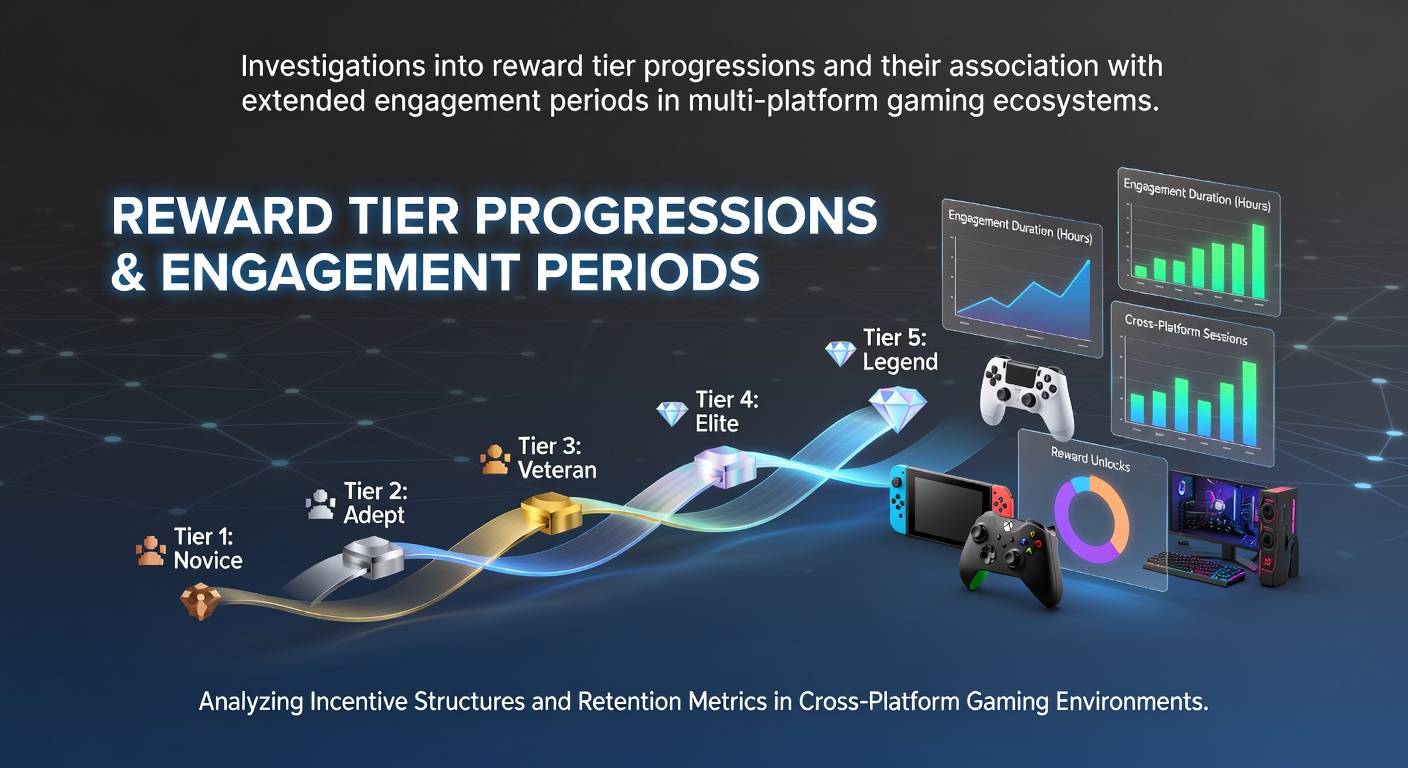
Investigations into reward tier progressions have tracked how structured loyalty systems influence player behavior across mobile apps, desktop platforms, and integrated console environments, with researchers compiling datasets from operator logs and session analytics to measure time spent in active play. These systems typically award points based on wager volume and game variety, advancing users through bronze, silver, gold, and platinum levels that unlock escalating benefits such as cashback percentages, exclusive events, and accelerated point multipliers.
Core Mechanics of Tier Advancement
Analysts at multiple regulatory bodies have mapped the progression paths where initial deposits and consistent activity trigger tier elevation, while data from the New Jersey Division of Gaming Enforcement shows average session lengths increase once players cross the silver threshold due to visible progress indicators and time-limited challenges. Operators implement these tiers through unified accounts that sync activity across devices, allowing a player who begins on a smartphone slot game to continue earning toward the same milestones on a tablet-based table game later the same day.
Studies conducted by academic teams at institutions in North America and Europe have isolated variables such as point accrual rates and bonus unlock frequencies, revealing that platforms offering cross-device synchronization report higher retention metrics compared to single-access systems. Figures released in quarterly operator filings indicate that multi-platform users who reach gold status maintain engagement windows 35 percent longer than those remaining at entry levels, with the pattern holding across both real-money and sweepstakes formats.
Regional Data Patterns Emerging in 2026
Regulatory reports compiled through June 2026 from jurisdictions including Ontario and several Australian states document consistent correlations between tier velocity and session duration, particularly when reward structures incorporate daily login streaks and platform-specific multipliers. Canadian market data compiled by iGaming Ontario highlights that players utilizing both mobile and desktop interfaces to complete tier requirements demonstrate extended weekly playtime, often exceeding 12 hours distributed across multiple sessions rather than concentrated blocks.
Cross-Platform Engagement Metrics
Researchers examining transaction records note that deposit patterns shift once tier milestones approach, with users favoring smaller, more frequent transactions to maintain momentum toward the next reward bracket. One study released by the Victorian Responsible Gambling Foundation tracked over 250,000 accounts and found that progression through three or more tiers corresponded with a measurable uptick in multi-device logins per week, suggesting the visible advancement mechanic encourages habitual checking across ecosystems.
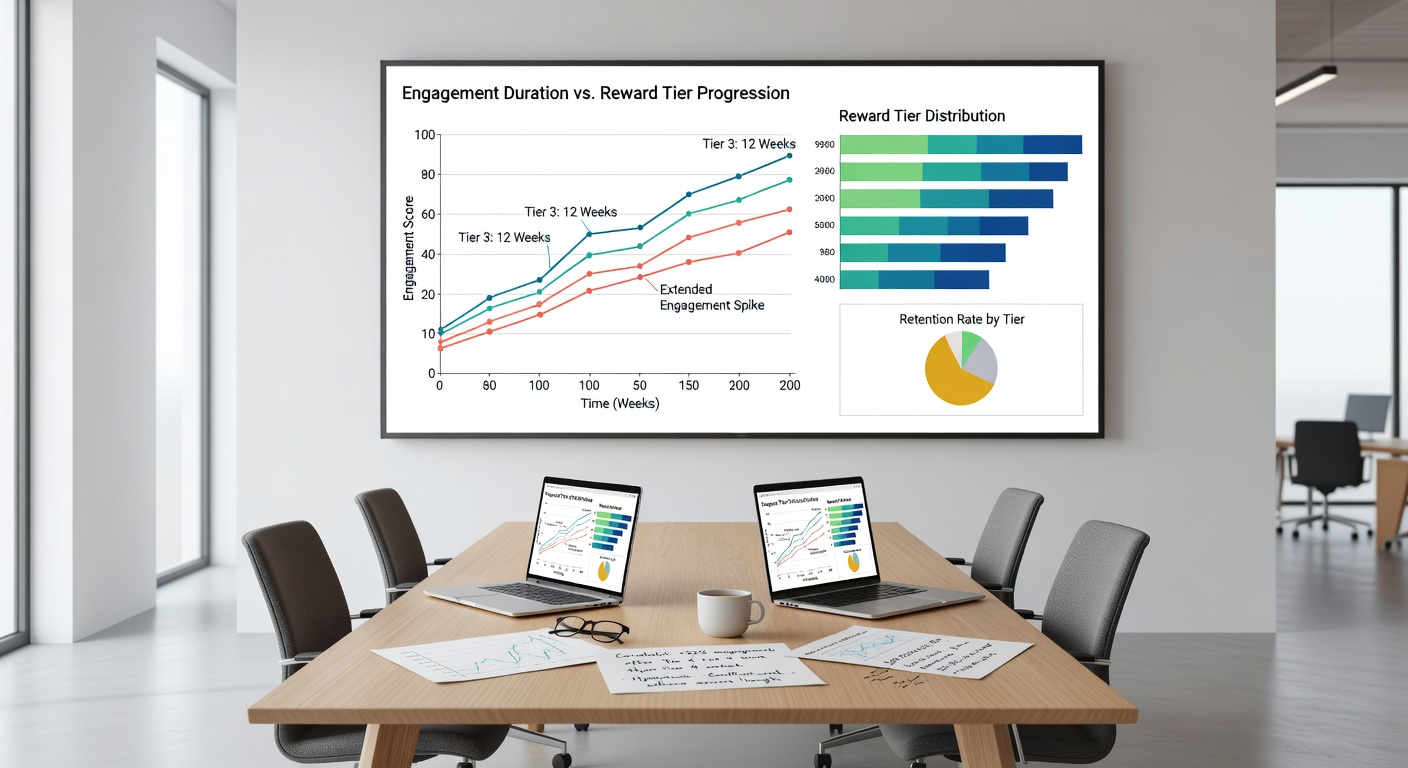
Platform operators have adjusted their algorithms to surface tier progress notifications at natural breakpoints within sessions, and evidence gathered by the American Gaming Association indicates these prompts correlate with users extending their current play period by an average of 18 minutes before logging off. The effect appears most pronounced in ecosystems that combine casino titles with sports wagering modules, where progress in one vertical contributes to overall tier status and thereby sustains activity across both areas.
Methodological Approaches in Recent Investigations
Longitudinal analyses employ anonymized player identifiers to follow individuals over six-month windows, comparing engagement curves before and after tier upgrades while controlling for external factors such as promotional calendars and seasonal events. Teams at several European research centers have applied regression models to isolate the contribution of tier benefits from general game popularity, demonstrating that the perceived value of upcoming rewards exerts measurable influence on return frequency even when controlling for jackpot size and volatility settings.
Investigators also review complaint and support ticket volumes alongside engagement data, noting that clearer tier communication reduces friction points that previously interrupted play across devices. As of June 2026, updated reporting standards in multiple markets now require operators to disclose average time-to-tier metrics, providing regulators and researchers with standardized benchmarks for future comparisons.
Conclusion
Collective findings from these investigations establish that reward tier progressions function as structural anchors within multi-platform gaming ecosystems, associating higher advancement levels with prolonged aggregate engagement across sessions and devices. Continued monitoring through regulatory channels and academic partnerships will refine understanding of how specific design elements, such as cross-platform point pooling and milestone notifications, interact with player retention patterns over time.