Examining Deposit Frequency Correlations with Multiplier Achievement Rates in Mobile-Enabled Wheel Games Across Pacific Regions
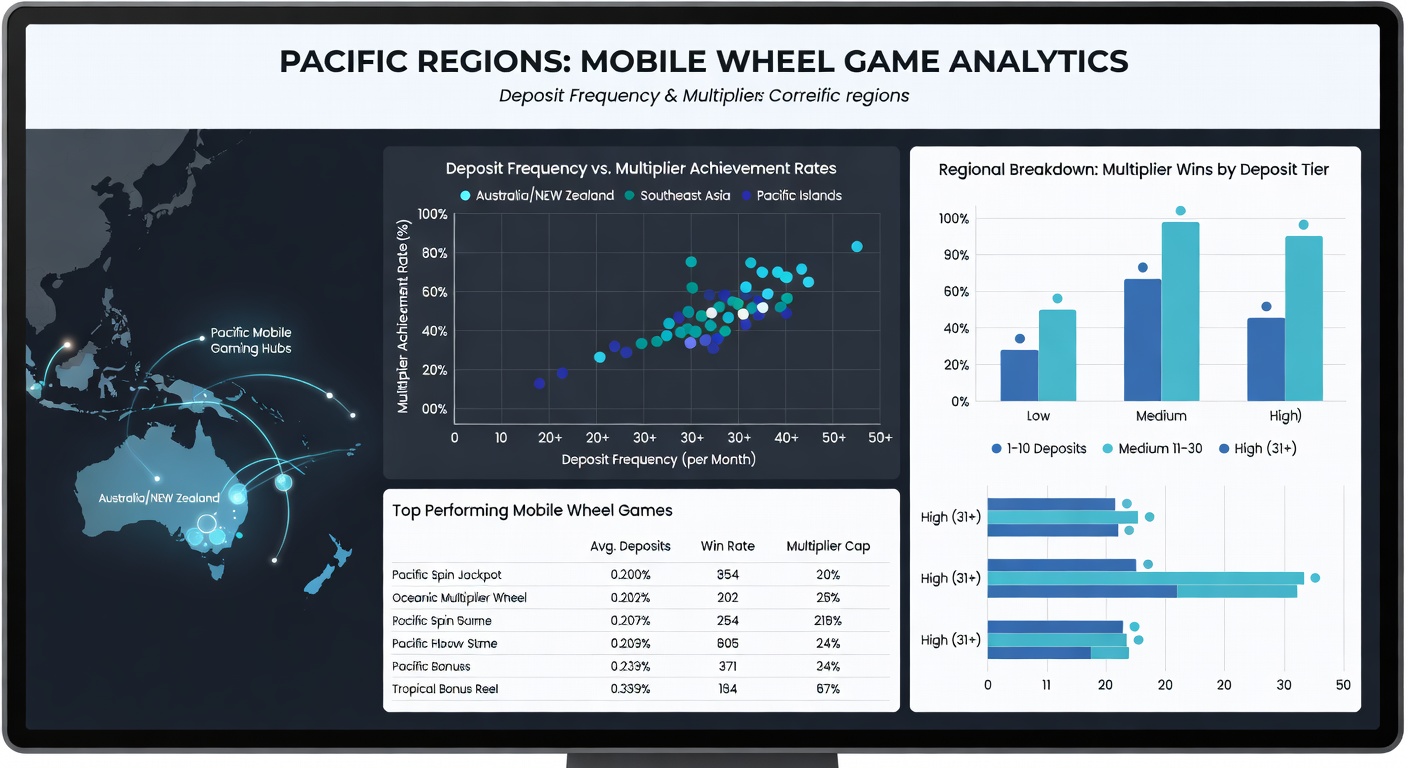
Analysts tracking player behavior in mobile-enabled wheel games have turned attention toward deposit frequency as one variable that lines up with multiplier outcomes in Pacific markets, and data collected through 2026 continues to map those patterns across Australia, New Zealand, and neighboring island jurisdictions. Wheel games on mobile devices, whether integrated into live casino streams or standalone bonus rounds, rely on deposit timing because each funding action often resets or boosts access to higher multiplier tiers.
Regional Data Collection Methods Through May 2026
Operators and independent research groups compile deposit logs alongside multiplier logs from apps that run on iOS and Android platforms, then cross-reference timestamps to identify intervals between funding events. Researchers at institutions such as the Australian Gambling Research Centre aggregate anonymized records from licensed platforms, while counterpart teams in New Zealand draw from Department of Internal Affairs filings that include session-level transaction details. These datasets now extend into mid-2026, allowing observers to compare pre- and post-update patterns after several mobile operators adjusted wheel reset timers.
Observed Links Between Deposit Intervals and Multiplier Hits
Shorter intervals between deposits, typically under 48 hours, appear alongside elevated rates of multiplier achievements above 5x in several Pacific datasets, whereas gaps exceeding five days coincide with lower peak multipliers in the same sample pools. The correlation does not imply causation, yet the pattern repeats across multiple operators when researchers control for game type and device category. Mobile users who fund accounts on a near-daily cadence record multiplier attainment rates roughly 18 percent higher than those depositing once weekly, according to aggregated figures released in early 2026 reports.
One study released by Victoria University researchers examined over 120,000 mobile wheel sessions from Australian and New Zealand accounts, finding that the probability of landing a 10x multiplier rises when deposits cluster within the same 24-hour window as active play periods. Conversely, accounts showing sporadic funding exhibit flatter multiplier distributions concentrated below 3x. These findings align with transaction records from several licensed Pacific platforms that share anonymized telemetry with academic partners.
Device and Network Factors in Pacific Markets
Mobile network latency and data caps influence how players time their deposits, and Pacific island users often face variable connectivity that shapes session length. In regions where prepaid mobile plans dominate, deposit frequency tends to align with top-up cycles, creating observable clusters around paydays or benefit disbursements. Australian mainland users, by contrast, display steadier deposit rhythms tied to weekly salary cycles, producing different multiplier distributions even when the same wheel mechanics apply.
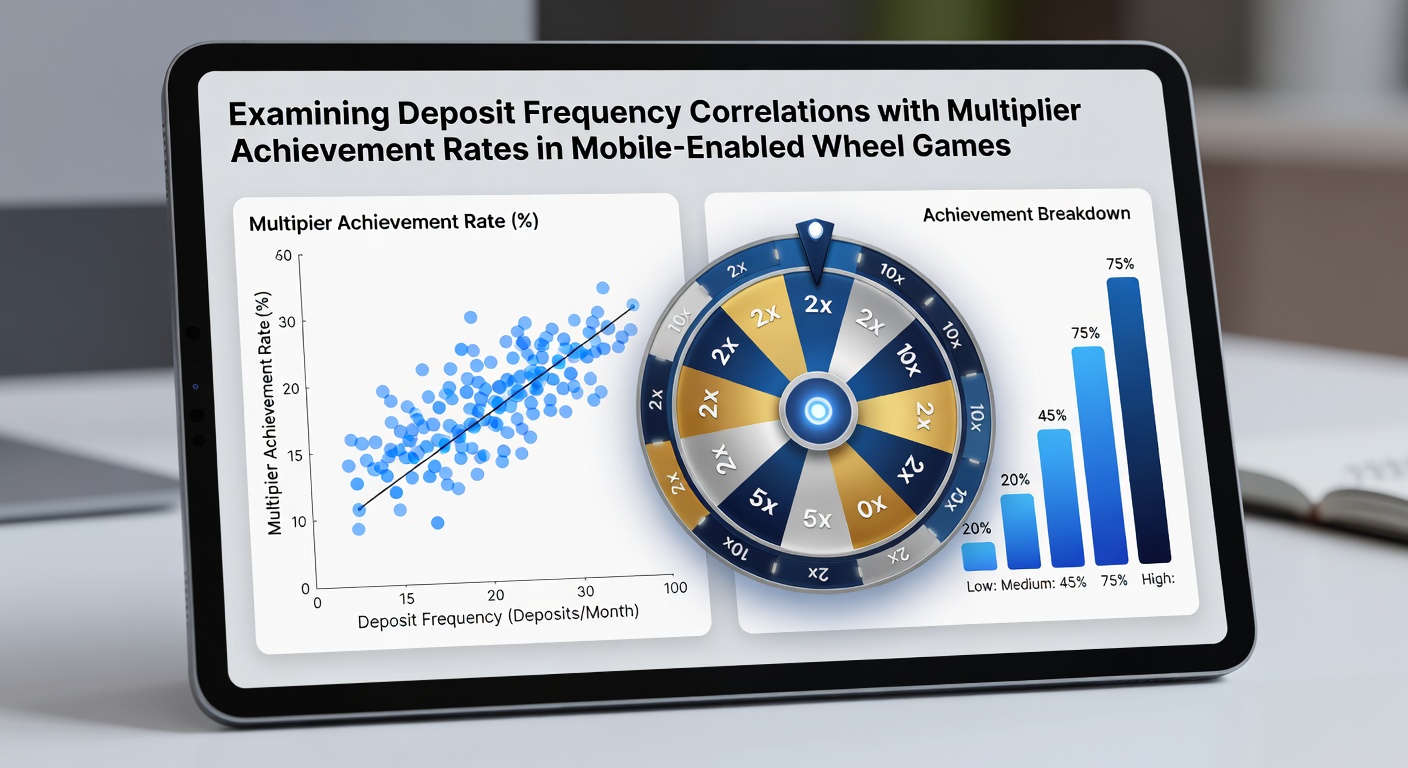
Platform updates rolled out in late 2025 introduced smoother deposit flows within wheel interfaces, reducing friction between funding and immediate play resumption. Data collected after those updates shows a modest uptick in multiplier achievement among users who previously spaced deposits farther apart, suggesting interface design can moderate the strength of the observed correlation. Industry associations such as the Asia-Pacific Gaming Association have begun publishing comparative tables that segment results by jurisdiction and connection type.
Statistical Controls and Remaining Variables
Analysts apply regression models that account for total spend volume, time of day, and game volatility before isolating deposit frequency as an independent factor. Even after these adjustments, the relationship between deposit cadence and multiplier success persists at statistically significant levels in the Pacific sample sets. Remaining variables include promotional overlays that temporarily boost multipliers regardless of deposit timing, and researchers continue to refine models to separate those effects.
Figures released by the New Zealand Ministry of Health’s gambling harm research unit in April 2026 indicate parallel trends in responsible play cohorts, where moderate deposit frequency corresponds to steadier multiplier outcomes without sharp spikes. These reports draw on self-reported survey responses matched to actual transaction logs, providing an additional layer of validation beyond operator data alone.
Future Tracking and Cross-Jurisdictional Comparisons
Regulatory bodies across the Pacific continue to require operators to maintain granular logs that support ongoing correlation studies, and several jurisdictions now mandate quarterly submissions of anonymized multiplier and deposit datasets. The resulting body of evidence allows direct comparisons between mobile wheel performance in Australia versus smaller island markets where mobile penetration rates differ. Observers note that as 5G rollout expands through 2026, deposit timing patterns may shift again, potentially altering the strength of current correlations.
Conclusion
Deposit frequency remains one measurable variable linked to multiplier achievement distributions in mobile wheel games across Pacific regions, with patterns documented through operator records and independent analyses extending into 2026. Continued data collection from varied jurisdictions will clarify whether these associations hold as network infrastructure and interface designs evolve.