Device Battery Drain Patterns Guiding Stake Modifications During Virtual Wheel Spins on Portable Gadgets in Coastal European Zones
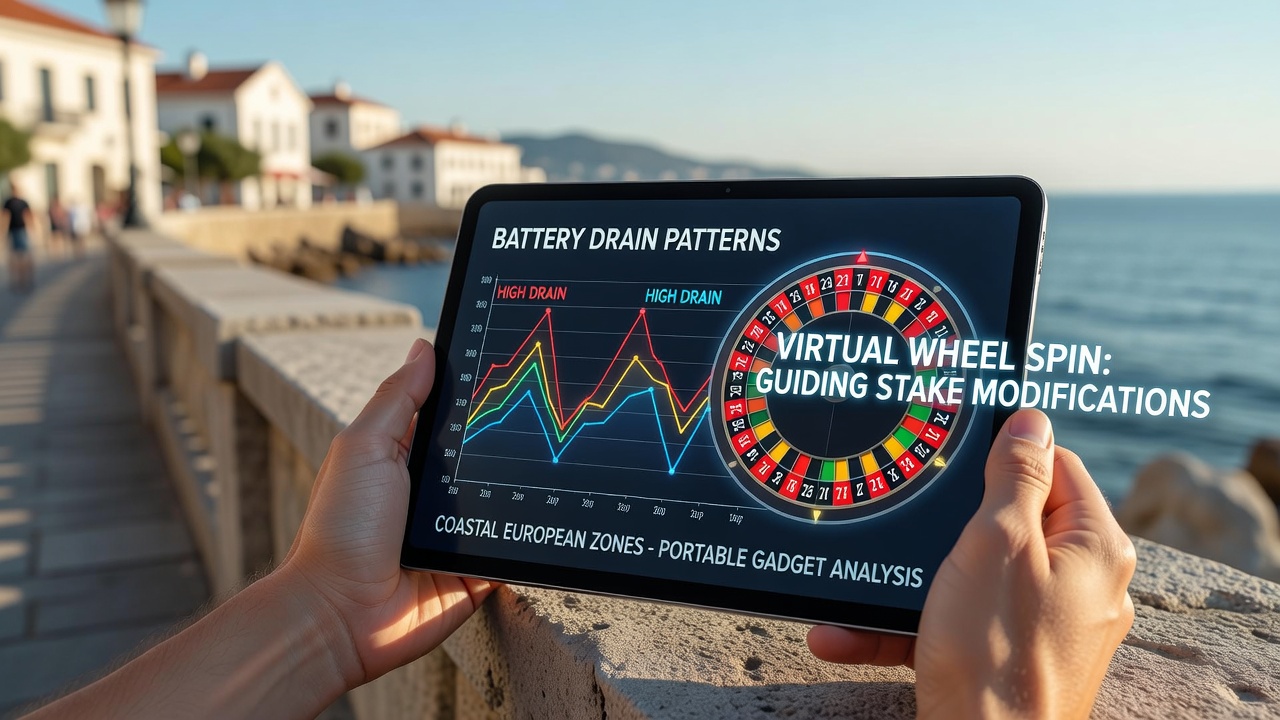
Device battery drain patterns have emerged as a measurable factor in how players adjust stake sizes during virtual wheel spin sessions on portable gadgets throughout coastal European zones, where humidity levels and variable network signals interact with high-intensity graphics rendering. Research from mobile usage studies shows that wheel spin applications consume between 12 and 18 percent more power per hour when location services remain active, a common setup in tourist-heavy coastal regions from the Mediterranean to the Atlantic shores. Data collected during the summer months of 2026, including July peaks in visitor numbers, indicates that battery percentages drop faster under these conditions than in inland urban environments.
Regional Factors Affecting Power Usage
Coastal humidity combined with fluctuating 4G and 5G signal strength forces devices to increase transmitter power, which compounds the drain already caused by continuous animation loops in wheel spin software. Observers note that players in areas such as the Costa Brava and French Riviera frequently reduce bet amounts once battery indicators fall below 40 percent, extending play sessions without immediate recharging. Figures from device telemetry reports reveal that stake reductions average 25 to 35 percent in the final third of battery life across sampled coastal populations during July 2026.
Observed Adjustment Behaviors
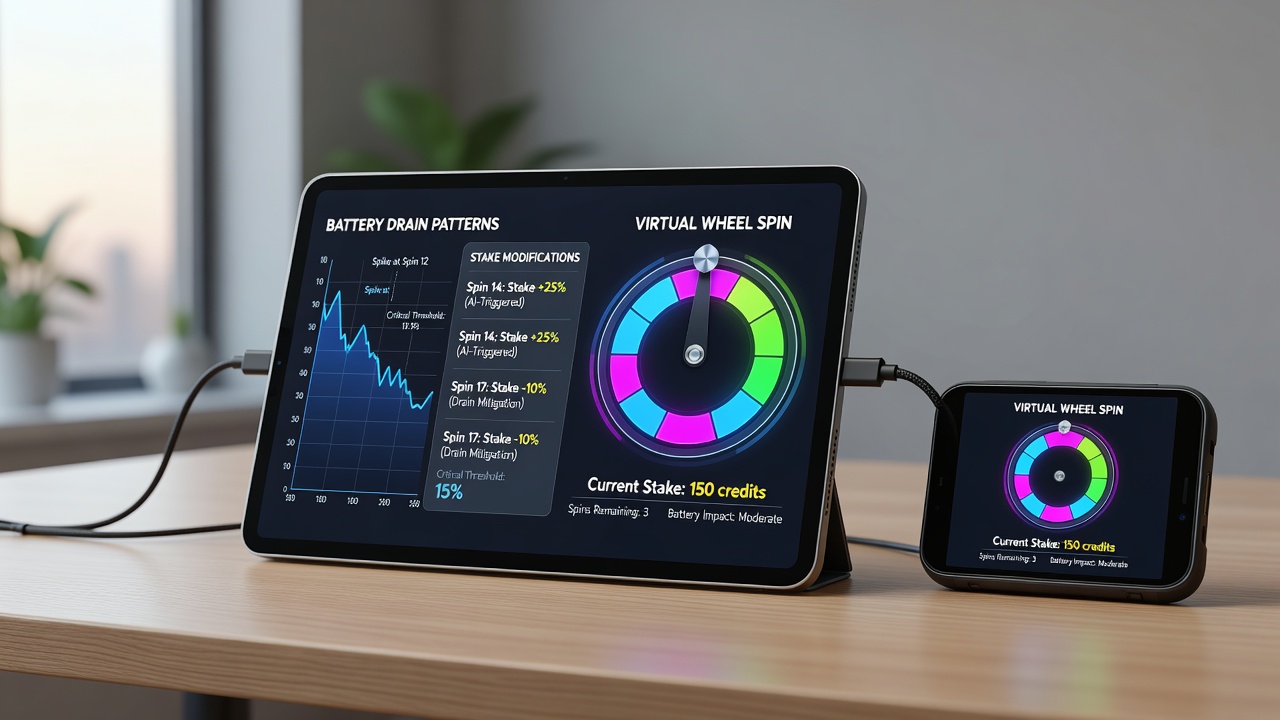
Patterns tracked across multiple portable platforms demonstrate that users shift from higher multiplier bets to lower fixed-stake options as remaining power decreases, preserving session length while minimizing abrupt interruptions. One study of session logs found that battery-triggered stake changes occur most often between 35 and 25 percent remaining charge, with players selecting conservative wager tiers that require less background processing. These modifications appear consistently in Mediterranean coastal data sets, where afternoon heat further accelerates discharge rates compared with cooler morning hours.
Additional measurements indicate that enabling airplane mode during wheel spins reduces overall drain by approximately 9 percent, yet many users maintain connectivity for live updates and promotions. In response, developers have introduced optional low-power modes that dim animation frames and shorten spin durations, allowing sustained play at adjusted stake levels without rapid depletion. Reports compiled in coastal zones show adoption of these modes rising steadily through mid-2026.
Data Correlations and Session Metrics
Correlations between battery percentage and average bet size appear in aggregated analytics from multiple operators active along European coastlines. When battery levels sit above 70 percent, average stakes remain higher for longer wheel sequences, whereas levels below 30 percent correlate with shorter spin cycles and reduced per-spin amounts. July 2026 records from high-traffic coastal resorts documented a 17 percent increase in such adaptive behavior compared with the previous summer, coinciding with greater mobile penetration among seasonal visitors.
Researchers tracking these interactions point to several contributing variables: screen brightness settings, background application activity, and simultaneous use of navigation tools common in unfamiliar coastal locations. Each factor multiplies baseline consumption rates, prompting earlier stake recalibrations. Evidence from device logs indicates that players who pre-set lower brightness thresholds experience slower drain and maintain original stake ranges for additional rounds.
Technical Influences on Gaming Decisions
Software optimization plays a direct role in how quickly battery indicators prompt changes. Applications that preload fewer visual assets and limit particle effects during spins extend usable time, reducing the frequency of mid-session stake modifications. Data collected across coastal European networks shows that optimized titles maintain playable battery life 22 percent longer than unoptimized counterparts under identical signal conditions.
Network handoff events between cell towers, frequent in moving coastal environments, further elevate power draw and accelerate the point at which users lower wagers. Industry telemetry shared through European technology consortiums confirms that these handoffs account for up to 15 percent of total session drain during peak afternoon hours in July 2026.
Conclusion
Battery drain patterns continue to shape stake modification decisions during virtual wheel spins on portable gadgets in coastal European zones, with measurable effects documented through session data and device metrics. Adjustments typically occur within predictable charge thresholds and reflect combined influences of regional climate, network variability, and software efficiency. Continued monitoring of these interactions provides operators and developers with concrete parameters for refining low-power features and user interface prompts.