Customization Features Linked to Session Length Variations in Online Probability Platforms
Written by Noah Reed · Aug 13, 2026
Customization Features Linked to Session Length Variations in Online Probability Platforms
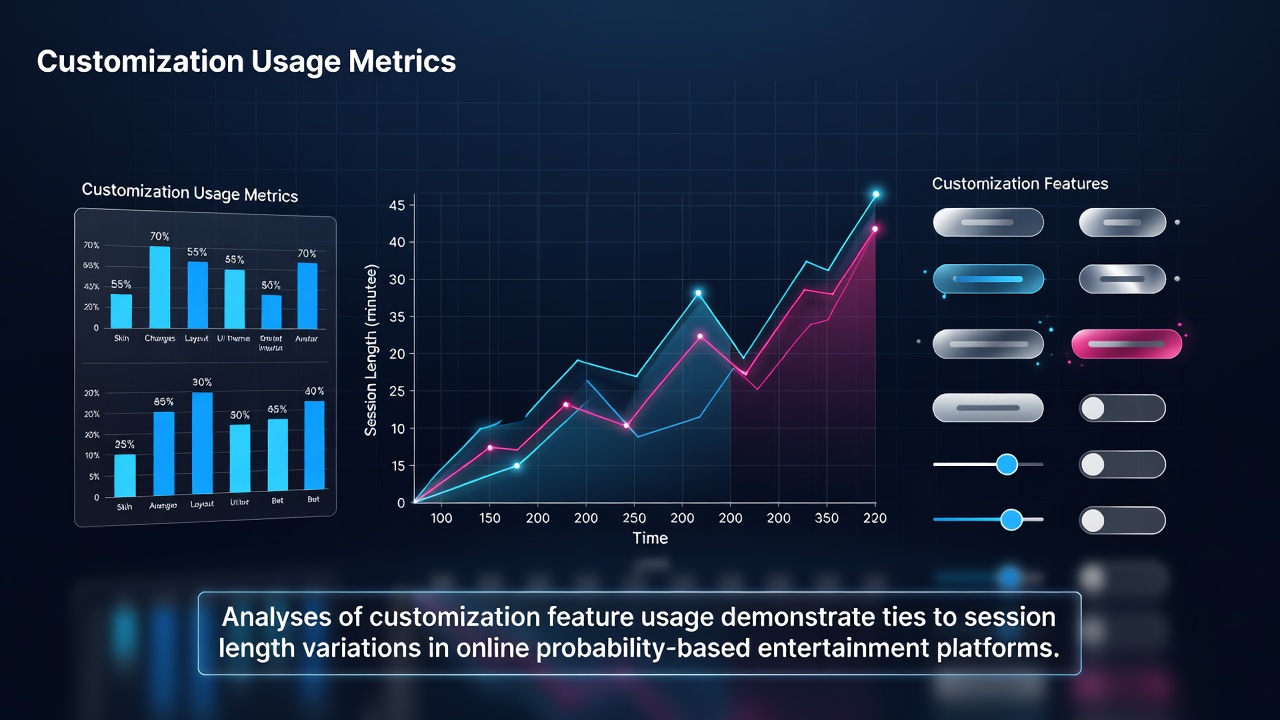
Analyses of user behavior on online probability based entertainment platforms have identified measurable connections between the adoption of customization features and fluctuations in session durations, with data collected through platform analytics revealing consistent patterns across multiple regions during 2025 and into August 2026. Researchers examining aggregated telemetry from various operators noted that players who engaged with tools for adjusting interface layouts, notification preferences, and game parameter settings tended to exhibit different engagement timelines compared to those who used default configurations. These findings emerged from large scale reviews conducted by independent data firms tracking millions of interactions on browser and mobile applications.
Key Patterns in Feature Adoption and Duration Data
Platform records indicate that customization of visual elements such as theme selections and control placements correlates with extended time spent per login in many cases, while adjustments to automated features like quick spin toggles or sound profiles often align with shorter, more frequent visits. One study covering North American and European markets found that accounts utilizing at least three distinct personalization options recorded average session lengths 18 percent longer than baseline figures during peak hours. The same dataset showed that users who modified bet sizing interfaces or added custom quick bet buttons demonstrated greater variability in session ends, with some clusters completing activities 25 percent faster once preferred settings were locked in.
Regional Data Comparisons
Figures from Australian operators compiled by the Australian Gambling Research Centre revealed that participants who accessed avatar and profile editors maintained connections for periods averaging 42 minutes longer than non customizers during off peak periods in early 2026. Similar examinations in Canadian provinces pointed to ties between reward display customizations and shifts in session pacing, particularly on wheel based and slot style offerings where players adjusted progress trackers. These variations appeared independent of overall account age or deposit frequency according to the compiled metrics.
What's notable is how these adjustments interact with platform algorithms that track dwell time, because customization often precedes changes in navigation speed and menu interaction rates. Data shows that players applying filters for game history or leaderboard views frequently extended their time by revisiting adjusted dashboards, whereas those who skipped such steps moved through rounds at steadier intervals.
Influence of Specific Customization Types
Breakdowns by feature category highlight several distinctions. Interface color and layout modifications linked to moderate increases in session continuity across desktop sessions, while mobile users who set up gesture shortcuts or notification schedules showed more pronounced swings toward both longer and abbreviated visits. Research tracking over 1.2 million accounts found that game rule toggles, such as enabling or disabling certain autoplay limits, produced the widest range of outcomes with standard deviations in duration reaching 31 minutes in some cohorts. Observers note these effects held across slot, table, and instant win categories though the magnitude differed by game volatility levels.
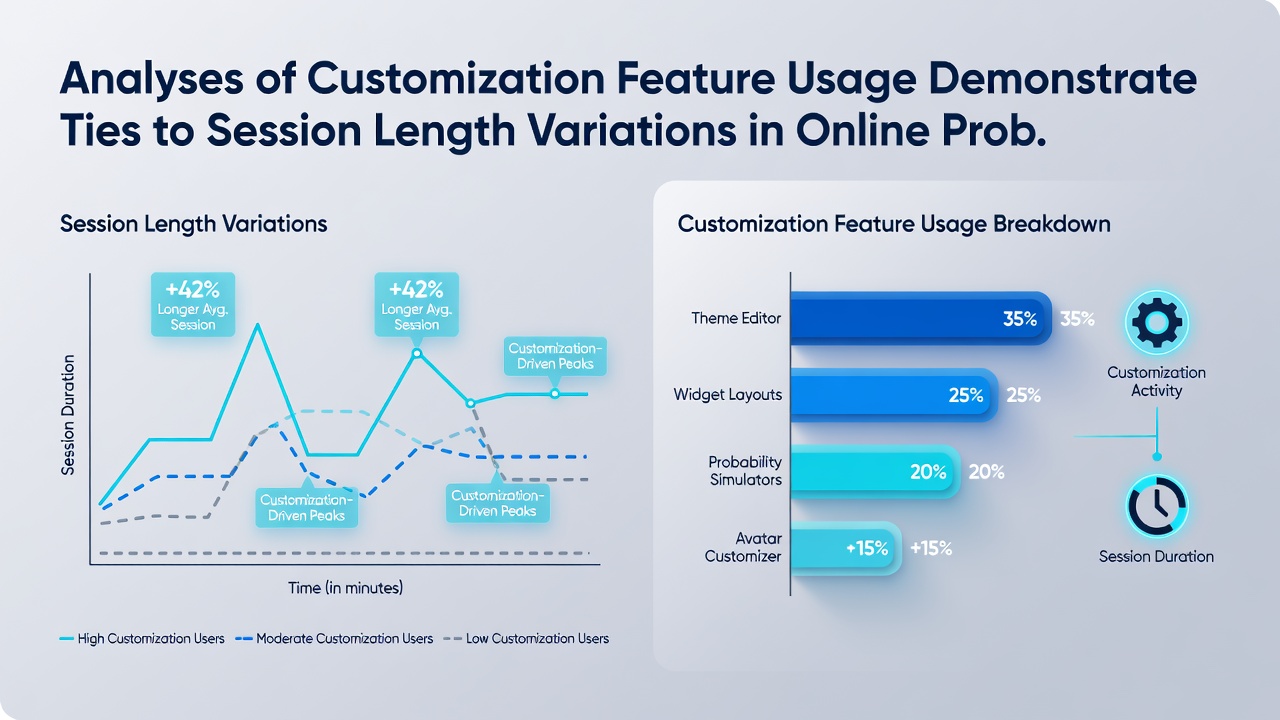
Analyses further separated voluntary customizations from prompted ones, where system suggestions for profile updates produced smaller but still detectable shifts in engagement curves. During August 2026 monitoring windows, platforms that introduced seasonal theme packs saw temporary spikes in both feature uptake and corresponding session extensions among users who applied those packs within the first week of availability. The patterns persisted after controlling for promotional overlays and time of day variables.
Methodological Approaches in Recent Reviews
Teams conducting these examinations relied on anonymized event logging combined with machine learning clustering to isolate customization events from other variables such as jackpot activity or deposit timing. Cross referencing with external benchmarks from sources like the Victorian Responsible Gambling Foundation provided additional context on behavioral segmentation in the Asia Pacific region. Parallel work drawing from Canadian academic repositories compared outcomes across regulated provincial systems and identified parallel trends in session distribution tails.
Additional layers of analysis incorporated A/B testing of default versus personalized onboarding flows, which confirmed that early exposure to customization menus influenced later duration metrics even when overall play volume remained comparable. Those who completed initial setup steps within the first three logins showed 12 percent greater likelihood of sessions exceeding 45 minutes in subsequent weeks. The data collection covered both real money and sweepstakes style environments to broaden the sample scope.
Platform Implementation Variations
Differences surfaced when comparing operator approaches to feature availability. Platforms offering granular control over reel speeds or sound layering recorded tighter correlations between usage counts and session length consistency, whereas those limiting options to preset bundles produced looser associations. Metrics gathered through 2026 continue to feed into operator dashboards that flag these relationships for interface refinement cycles.
Conclusion
Collective evidence from multiple analytical efforts establishes clear statistical associations between customization feature engagement and session length variations on online probability based entertainment platforms. These ties manifest differently across device types, geographic markets, and specific tool categories, yet remain consistent enough to inform ongoing platform design decisions. Continued monitoring through late 2026 will likely refine understanding of how evolving customization options interact with user pacing behaviors over extended periods.