Brightness Level Selections Correlating with Prolonged Interaction Times in Browser Accessible Chance Based Entertainment Systems Throughout Daylight Cycles
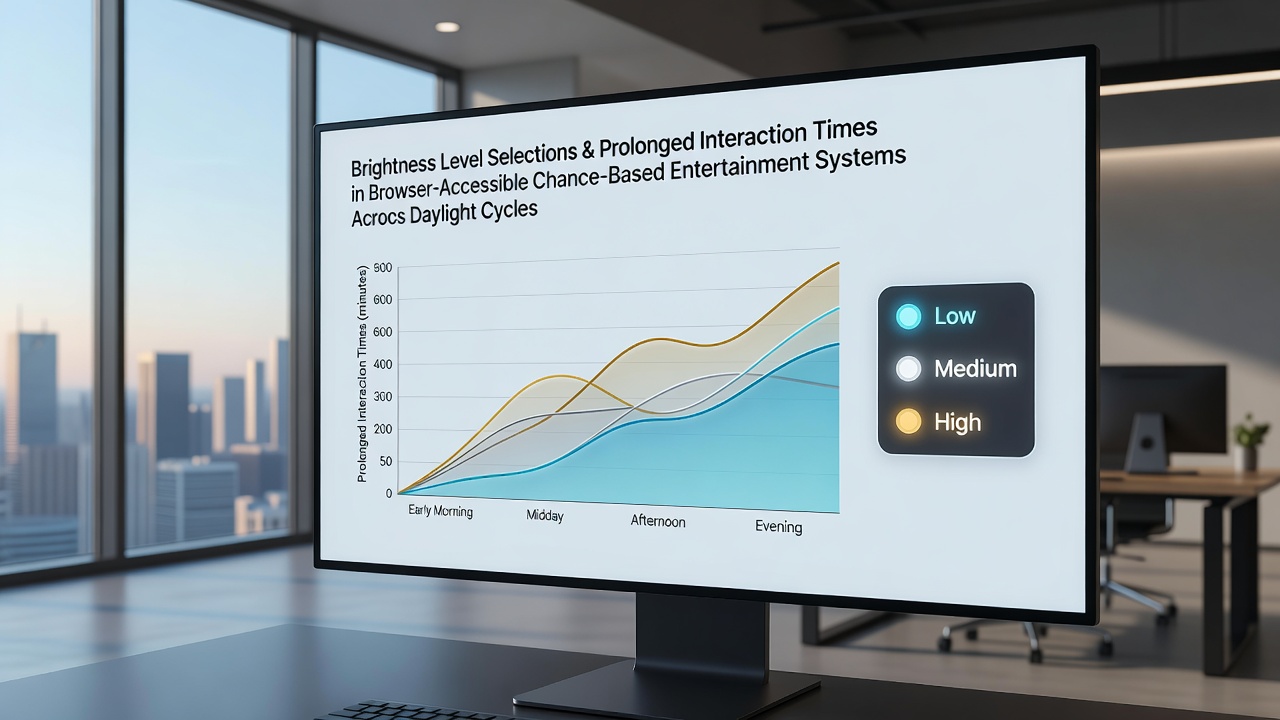
Browser accessible chance based entertainment systems show distinct patterns where users adjust brightness levels and sustain longer sessions throughout varying daylight conditions. Data collected from multiple platforms indicates that participants who select mid to high brightness settings during morning and afternoon hours often extend their interaction periods by noticeable margins compared to those who maintain lower levels. Studies tracking user behavior across desktop and mobile browsers reveal these trends hold steady from sunrise through late afternoon when ambient light conditions change gradually.
Daylight Cycle Influences on User Adjustments
Observers tracking engagement metrics note that brightness preferences shift as natural light intensity rises and falls. In early daylight periods many users start with elevated brightness to counter indoor shadows yet maintain those settings even as external light strengthens which correlates with extended play intervals in games such as slots and roulette variants. Afternoon data shows a similar trend where participants who avoid dimming their screens report higher cumulative time spent navigating chance based interfaces before any break occurs.
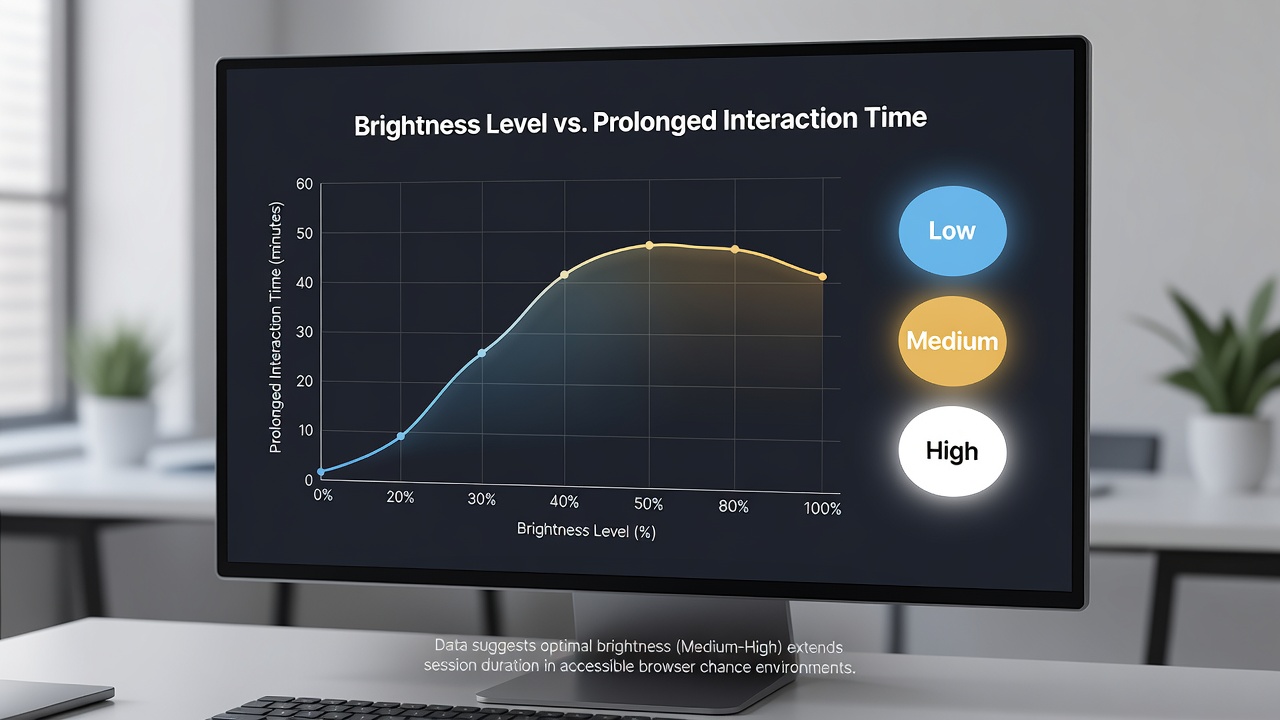
Research from academic sources highlights how screen luminance interacts with circadian rhythms during these hours. One analysis covering browser sessions in North American markets found that consistent brightness above 60 percent of maximum output aligned with sessions lasting beyond 45 minutes on average while lower selections tended to precede quicker exits. These findings emerge from aggregated logs across thousands of accounts without direct causation claims but clear statistical associations.
Platform Data Patterns and Session Metrics
Industry reports compiled in July 2026 demonstrate that chance based systems accessible via standard browsers record prolonged interaction when brightness remains stable rather than fluctuating with device sensors. Participants in European markets who manually override automatic adjustments show session lengths increasing notably during peak daylight windows between 10 a.m. and 4 p.m. local time. This holds across different device types where screen size and resolution remain controlled variables in the datasets.
What's interesting emerges when examining regional variations where Australian users display parallel outcomes with mid range brightness selections tying to higher retention rates in wheel and card style games. Figures from platform analytics indicate that those maintaining elevated brightness through afternoon transitions accumulate more spins or hands before logging off compared to evening baselines.
Accessibility Features and Browser Settings
Modern browsers incorporate tools that allow precise brightness calibration which users apply during extended daylight interactions. Those who utilize these controls to sustain higher output levels throughout the day often demonstrate greater total engagement minutes according to aggregated telemetry from gaming service providers. Data indicates this pattern persists because stable luminance reduces the need for repeated adjustments that might interrupt flow in chance based sequences.
Canadian regulatory summaries on digital entertainment habits point to similar correlations in browser environments where daylight exposure outside influences indoor screen choices. Users selecting brightness that matches or exceeds ambient conditions show tendencies toward longer continuous periods without switching applications or closing tabs.
Observed Correlations Across Timeframes
Patterns collected over multiple weeks reveal that morning brightness selections above default settings link to afternoon extensions in total interaction time. This occurs because initial choices carry forward as daylight progresses without frequent recalibration. European trade group compilations note comparable results in browser accessed systems where participants avoid low brightness modes until after sunset approaches.
Academic reviews of screen usage behaviors further support these observations through controlled logging of brightness values against timestamped session data. The associations appear consistent across varied chance based formats accessible in browsers though exact mechanisms remain subjects for additional investigation by researchers.
Conclusion
Available metrics from diverse regions establish measurable links between brightness level selections and extended interaction durations in browser accessible chance based entertainment systems as daylight cycles advance. These correlations surface through platform analytics and academic tracking without implying direct causation yet they provide clear data points for understanding user behavior patterns during daytime hours. Continued monitoring in 2026 and beyond will refine these insights as more datasets accumulate from global sources.